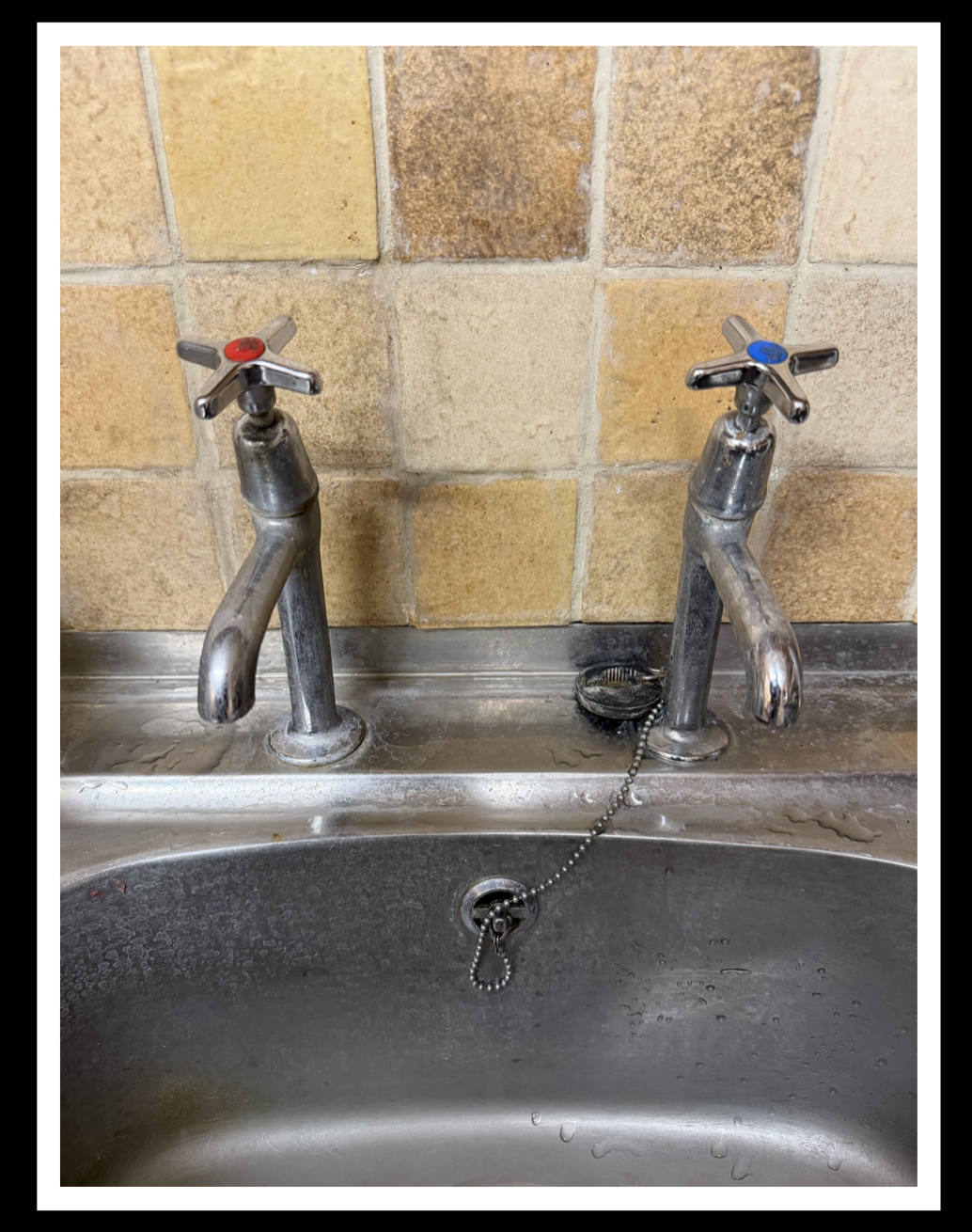
Are we heading for global water scarcity and water bankruptcy?
A crisis for all Faiths and none.
Jenny Rudston
Jenny Rudston moves between the Cotswolds, Surrey and West Sussex. She is passionate about our environment and is heavily involved in a community water group in the Cotswolds.
We must address how we manage water. As an island surrounded by water and with frequent rain, it is easy to assume that we have an infinite supply. We forget the importance of fresh-water and that the altered ecosystem of the urban environment is not the same as that of the historical woodlands. We are used to frequent rain, but recent droughts have altered this. We are withdrawing more groundwater than ever before and depleting our reserves. River, reservoir and groundwater levels continue to decline.
Half of the 100 largest cities of the world experience high levels of water stress.
Yet global and local water demand are set to increase. Ageing infrastructure, disasters and climatic events reduce our capability to manage water and cause populations to relocate. Droughts are predicted to increase over the next 20 years in frequency and severity, whilst 60-75% of current global populations are already experiencing water stress in some part of the year. One in eight people globally do not have access to clean drinking water. The poor and the vulnerable suffer most from the mismanagement of our water resources.
Forests, rivers and wetlands are sustained by their water supplies and provide for livelihoods of the people who live around them. They also store carbon, reducing global warming. Agriculture and industry rely on the water supply and are essential for livelihoods and prosperity. Agriculture is the largest water consumer worldwide. Growing populations, areas of immigration and increasing populations increase water needs.
The UN announced that there is a state of water bankruptcy, where deterioration of water resources in some areas has become permanent and irreversible. The World Bank Group states that the Earth is losing 324 billion cubic metres of freshwater every year, this is equivalent to the freshwater requirements of the entire population of Indonesia (280 million people). Global freshwater demand will require 40% more than our current supply by 2034.
In the UK the Environment Agency predicts we will be short by 5 billion litres of water per day by 2050. This equates to requiring a third more water than we currently have available for public consumption. We already have notedly water poor regions in Sussex, Suffolk, Norfolk and Cambridgeshire and London is categorised as a city under serious water stress. In dry periods some water supply companies have had resort to using tankers and supplying bottled water. UK water companies have to produce Water Resources Management Plans (WRMPs) every 25 years and updated every 5 years as required under the Water Industry Act 1991. The aim of these plans is to ensure sufficient future water supply. This requires reduced demand and water leakage, and protection of the environment. Water metering can identify unnoticed water leaks.
The environment agency assesses that 15% of surface-water bodies and 27% of ground-water bodies have unsustainable levels of water extraction. Fossil aquifers and chalk streams require hundreds of years to recharge and need to be protected.
Water is essential for life: It is the universal solvent. In the animal body it carries nutrients, minerals and red blood cells to carry oxygen, it provides the location for the metabolic reactions of life. It lubricates joints, cools the body through sweating and carries waste away for excretion.
In plants too, water is essential and is drawn through the stem carrying nutrition. Water provides turgor for delicate stems to stand against gravity. In ecosystems and water bodies, water provides cooling and maintains temperatures steady over a longer period. It creates microclimates, supports trees and shading and local misting and rain, which in turn maintain vegetation and groundwater levels.
Each person requires 50 to 100 litres of water per day for health and hygiene, but 4,000 litres per day for nutrition and a dignified life. In many regions this has to brought in by trading for food and resources.
Water will be required to protect the environment. Changes in ground water levels, not only impact on available water supply but may also affect buildings causing subsidence, buildings can even become unsafe and collapse. This has an economic impact as well on availability of house or building insurance. Poorer land management also increases the risk of flooding, as the ground is not able to absorb a sudden, heavy rainfall, yet we continue to build on flood plains, old streams, ponds and riverbeds.
On the 29th July 2026 the Environment Agency classified half of the UK as in drought, following a heat dome of trapped high air pressure over the UK, which caused record breaking temperatures and three heat waves. A heat wave is defined by the Met Office as when three consecutive days exceed a heatwave threshold for that area, that UK threshold is between 25 and 28 degrees Celsius. The Greater London threshold is 28 degrees, because of the nature and expected temperatures in this urban environment.
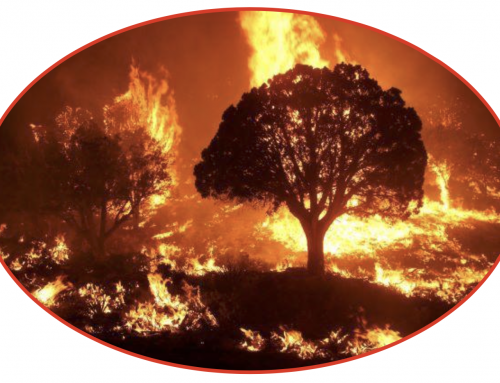
The agricultural sector has suffered with reduced crop yields and reduced available foraging for livestock. Water suppliers restrict the amount of water farmers can take for irrigation. This impacts our food security and requires us to import food. Increased risk of fire also causes loss to farmers and potentially increases the use of fire retardant and preservative chemicals which can then wash forever chemicals into river systems and groundwater.
Lower water levels lead to restrictions closing off part of the canal network, more low water flow events, poorer river quality, algal blooms and death of fish and river-life.
NASA’s Grace project monitors the drying out of cities from space. Governments are reforming infrastructure, tightening regulations and securing future water supplies.
Nature based solutions are recommended for restoring peat beds, creating reed beds and managing wider river catchments to hold water and improve water quality, as well as resilience against droughts and flooding. Building nature-based solutions can also compensate the impacts of urban development, industry and agriculture on our water and environment.
Homo sapiens or modern humans have lived on earth about 300,000 years. We need to respond to future environmental, climate and weather challenges and adapt to extreme droughts, population growth and changing agricultural, industrial and technological water requirements. Good water management will see us living well for future millennia.
Jenny Rudston
Transfiguration 2026
References:
10 Facts about the Future of water scarcity, Seametrics.com, Washington, USA.
13 Best ways to save water, Friends of the Earth, https://friendsoftheearth.uk/sustainable-living/13-best-ways-save-water
Accessed 1st August 2026.
Dry weather and drought in England: 24th to 30th July 2026, the Environment Agency, https://www.gov.uk/government/publications/dry-weather-and-drought-in-england-2026-summary-reports/dry-weather-and-drought-in-england-24-to-30-july-2026
Accessed 1st August 2026.
J Ashworth, Modern humans: Homo sapiens: When and where and how did we evolve, Natural History Museum, https://www.nhm.ac.uk/discover/modern-humans-homo-sapiens-when-where-how-did-we-evolve.html
Accessed 1st August 2026.
J Gibbs, Nine Popular Water Saving Tips – Suggested by You, Energy Saving Trust, https://energysavingtrust.org.uk/simple-ways-to-save-water-at-home/
Blog post, 26th September 2025
N Burnett and I Stewart, Future Water Resources, Research Briefing, House of Commons Library, 8th July 2025.
N Silver, Why is water important? 16 reasons to drink up, Healthline.com, 28th January 2026.
Managing Water Better, WWF, https://www.wwf.org.uk/what-we-do/projects/how-were-managing-water-better
Accessed 1st August 2026.
Met Office, https://weather.metoffice.gov.uk/learn-about/weather/types-of-weather/temperature/heatwave,
Accessed 1st August 2026
R Salvidge, Half the world’s 100 largest cities are in high water stress areas, analysis finds, the Guardian, 2025, updated 22 January 2026.
Water Resource Management Plans, The Environment Agency, https://engageenvironmentagency.uk.engagementhq.com/water-resources-management-plans
18th November 2025.