Straight talking
Editorial – Easter 4, 2026
(Good Shepherd Sunday)
The Rev’d Dr. Nicholas Henderson – Editor
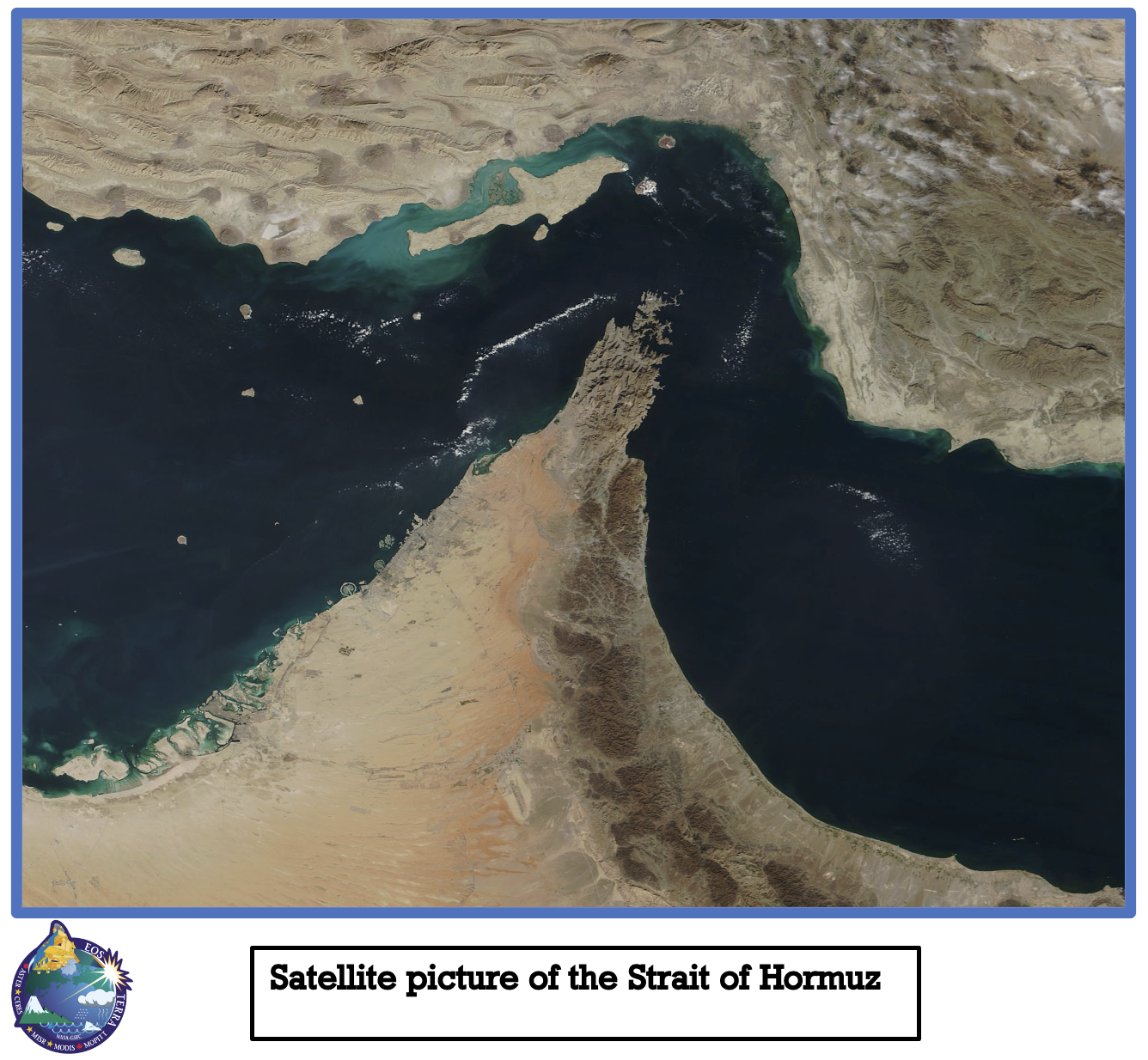
The ongoing war centred around the Strait of Hormuz and related much-wider conflicts in the Middle East have been described to me by my Lebanese contacts, who are suffering severe collateral damage, as the Trump/Netanyahu Wars.
The conflict is of course has many more players, but the newish Pope Leo XIV courageously pointed during a visit to Cameroon out that the world was “being ravaged by a handful of tyrants.”[i] This appears to have been prompted by Donald Trump’s threat “that a whole civilisation will die” if Iran did not agree to US demands to end the war and open the Strait of Hormuz.
The Pope subsequently stated that his ‘tyrants’ speech was not aimed at Trump[ii] as he explained further the background to the narrative. Such are the unfortunate complications associated with a powerful and unpredictable American President where traditional forms of diplomacy are redundant. Nevertheless, an elected religious leader of 1.4 billion Catholics and an elected political leader of a powerful nation of 349 million citizens both of whom might claim God to be on their side makes for an interesting stand-off.
Continuing the head count, somewhere between 85-110 million Anglicans in about 165 countries puts the titular leader in the person of the Archbishop of Canterbury in a not insignificant position of influence. Indeed, Archbishop Sarah Mullally did come rather late into the spat between Pope and President with her call to Anglicans to join Pope Leo’s “courageous” call, adding that “the human cost of war is incalculable”[iii] in this she also did not directly mention Trump.
This responsive support did not really attract much media interest. Although the Archbishop will shortly be off to Rome to pray with the Pope; hopefully the two leaders might also accompany their devotions with some serious consideration of how the universal Church might truly be a force for good?
The last Archbishop of Canterbury to have any real influence in the Middle East was the remarkable end of 20th century Robert Runcie. Today, just over a generation later, thanks to Western interventionist follies such as the Iraq War, Christians in the Middle East, who have flourished there since the birth of the Faith, are an increasingly beleaguered minority. The same might also be said of Christianity in Western Europe and North America where also over the last couple of generations the number of practising Christians has fallen; as has the influence of the Church?
The reasons for the onward march of Western secularism belong to a wider study than this Editorial. Suffice it to say that with a woman, at last, on the episcopal throne of Canterbury hopes have been raised for a new direction and a new approach.
The latest Pope seems to be shaping up quite well but to a degree Archbishop Sarah remains something of an enigma. With a long and successful career in public service it is impossible to do other than acknowledge that here is a woman of faith who anecdotally always leaves those who work closely with her, impressed. Yet, somehow she lacks public profile. This is partly perhaps as we live, move and have our being in a world dazzled by celebrity status unhindered by integrity. Sarah Mullally is none of these things.
Could a lower profile be a leadership virtue to be cherished? The present Archbishop may consequently avoid and wrong-foot the scourge of conservative Christian scrutiny of those who seem to associate the true Gospel with sexual orientation and who are in reality latter-day Anglican Donatists.[iv] The destructive schismatic tendencies in the Anglican Communion that have flourished when seeded from the same forces driving the current American administration, thrive on conflict. Could they wither in the absence of a high profile Archbishop?
Which brings us back to what must be Christian leadership priorities as thousands, indeed millions have their lives disrupted by “a handful of tyrants”?
Nicholas Henderson
Editor: Anglicanism.org
4th Sunday of Easter
‘Good Shepherd Sunday’
[i] https://www.bbc.co.uk/news/articles/cvg0z3n5e5jo
[ii] https://www.bbc.co.uk/news/articles/ce84j261kj1o
[iii] https://www.theguardian.com/uk-news/2026/apr/16/archbishop-of-canterbury-sarah-mullally-pope-leo-peace-trump
[iv] Donatism was a schism from the Catholic Church in the Archdiocese of Carthage from the fourth to the sixth centuries. Donatists argued that Christian clergy must be faultless for their ministry to be effective and their prayers and sacraments to be valid. Named after the Berber Christian bishop Donatus Magnus, Donatism flourished during the fourth and fifth centuries.
* The Church of England’s 39 Articles has Article XXVI ‘Of the unworthiness of the ministers which hinders not the effect of the sacrament’ – Included as a warning against Donatist errors.