
A Review by Dr. Priscilla Chadwick
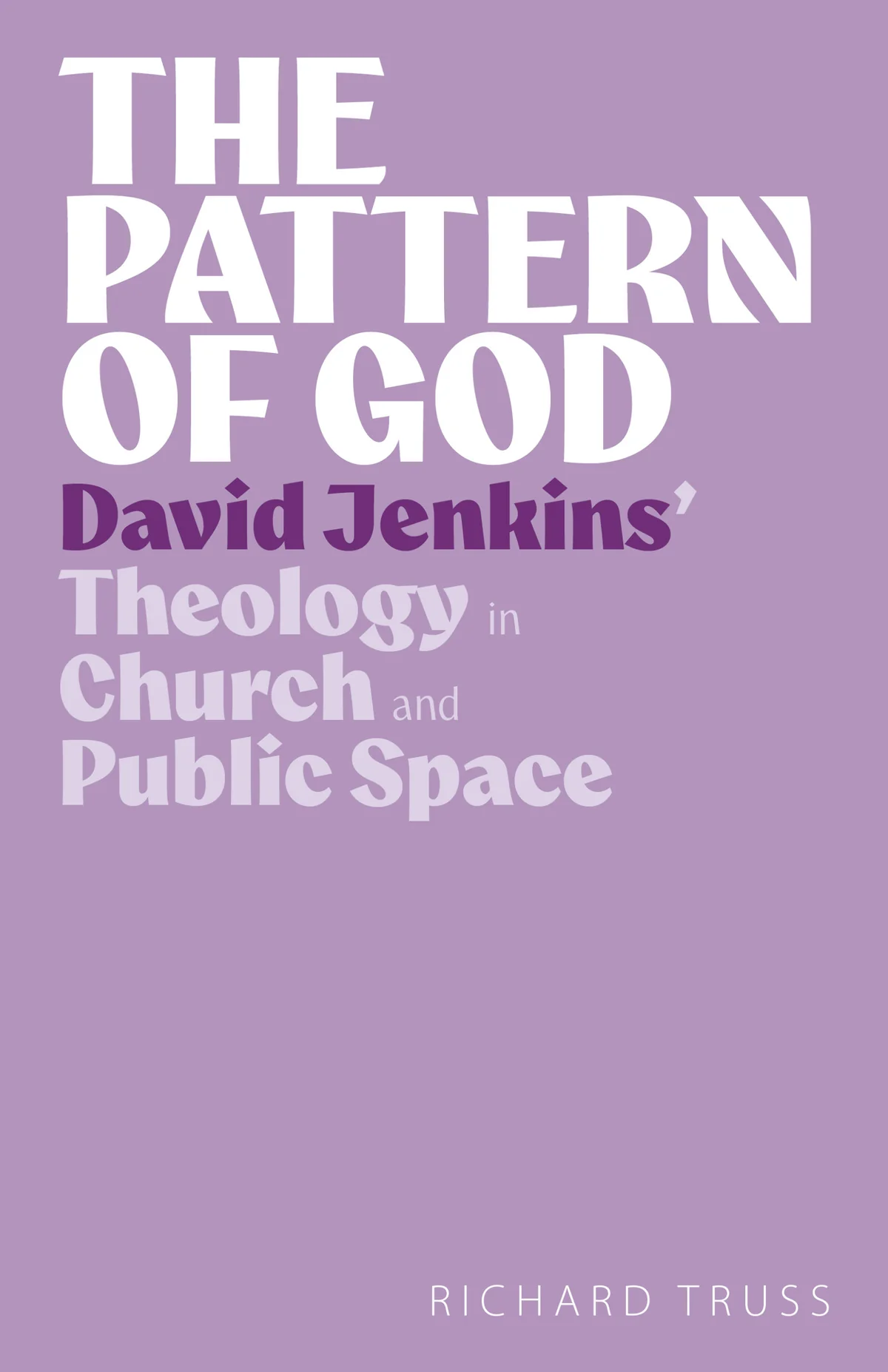
‘Why does the Bishop of Durham say that Christianity requires you to believe three impossible things before breakfast?’ This question from a parishioner used to be posed to prospective Anglican ordinands and understandably generated a wide range of responses. David Jenkins had a reputation for radical thinking, engaging his theological thinking in the public arena and thereby attracting much media attention. Not many bishops featured in Private Eye or had their own Spitting Image puppet. However Richard Truss, the author of this thoughtful and well written book, realised that, although Jenkins’ legacy was not so well known to the current generation, his theological ideas were still highly relevant to contemporary society.
Truss thus focuses on his theology rather than biographical details, but ensures the reader understands the context in which Jenkins was operating. As an Oxford academic, Jenkins liked to challenge his students to think. This was the era of ‘Honest to God’ and Paul Tillich’s writing alongside other liberal theologians such as Donald Cupitt or Maurice Wiles who questioned traditional expressions of Christian belief. Jenkins’ 1966 Bampton Lectures articulated his understanding of God’s involvement in human history through the Incarnation of Christ as the exemplary pattern for our lives. Truss explores the implications of Jenkins’ theme of ‘transcendence in the midst’ in the first of five chapters entitled The Personal Pattern, acknowledging Jenkins’ ability to draw on the orthodox statements of the Council of Chalcedon while criticising the narrow credal interpretations of ‘certainty-wallahs’ in the Church. Rather than through science, Jenkins thought one could only understand the Resurrection or miracles through faith, where God and history are brought together through the Incarnation. This led to his response in a 1984 BBC interview of his much-misquoted comment that the Resurrection was ‘more than a conjuring trick with bones’.
In chapter two of this stimulating book, Truss focuses on Jenkins’ view of history as provisional and unpredictable, reflecting the ideas of Karl Popper. This meant that, although God takes the risk in human co-operation, ‘God incorporates the contingent events of history…into a greater work of art’ (p.49). In chapter three, Jenkins’ role in Public Theology is explored, focusing his commitment to Christian Socialism in addressing society’s injustices together with his interests in Liberation Theology to change the economic and social system for the better. Jenkins was attracted to Christian Socialism as articulated by Charles Gore and William Temple, later working with the World Council of Churches in Geneva where he was critical of cultural imperialism when responding to social and political issues arising from Liberation Theology. Starting with a sense of God’s judgment on injustice and drawing on theological insights from the Bible, prayer and worship, critical reflection must then lead to action. Jenkins’ first-hand experience of the 1980s miners’ strike gave him a powerful voice as Bishop of Durham in his clash with the free market capitalists of the Thatcher era. Truss argues that ‘this brings his liberationist and his Anglican social theology into the…world of current economics’ (p.79).
In the final chapter, the author returns to his initial concept of ‘Pattern’, hence the title of the book. The focus on the theme of ‘transcendence in the midst’ shows God engaged in the world through the incarnate Word. As the pattern is revealed through the sacrificial love of Christ, we need to face up to the practical implications of action so that ‘faith becomes a living and vibrant adventure’ (p.123). David Jenkins’ legacy is well analysed and explored in this fluently argued book, which provides useful footnotes and a list of Jenkins’s publications for further reading. Truss reflects perceptively on that legacy’s relevance to Christians today still searching for answers to fundamental questions of purpose in an ever-changing world.
Priscilla Chadwick
Holy Week 2026
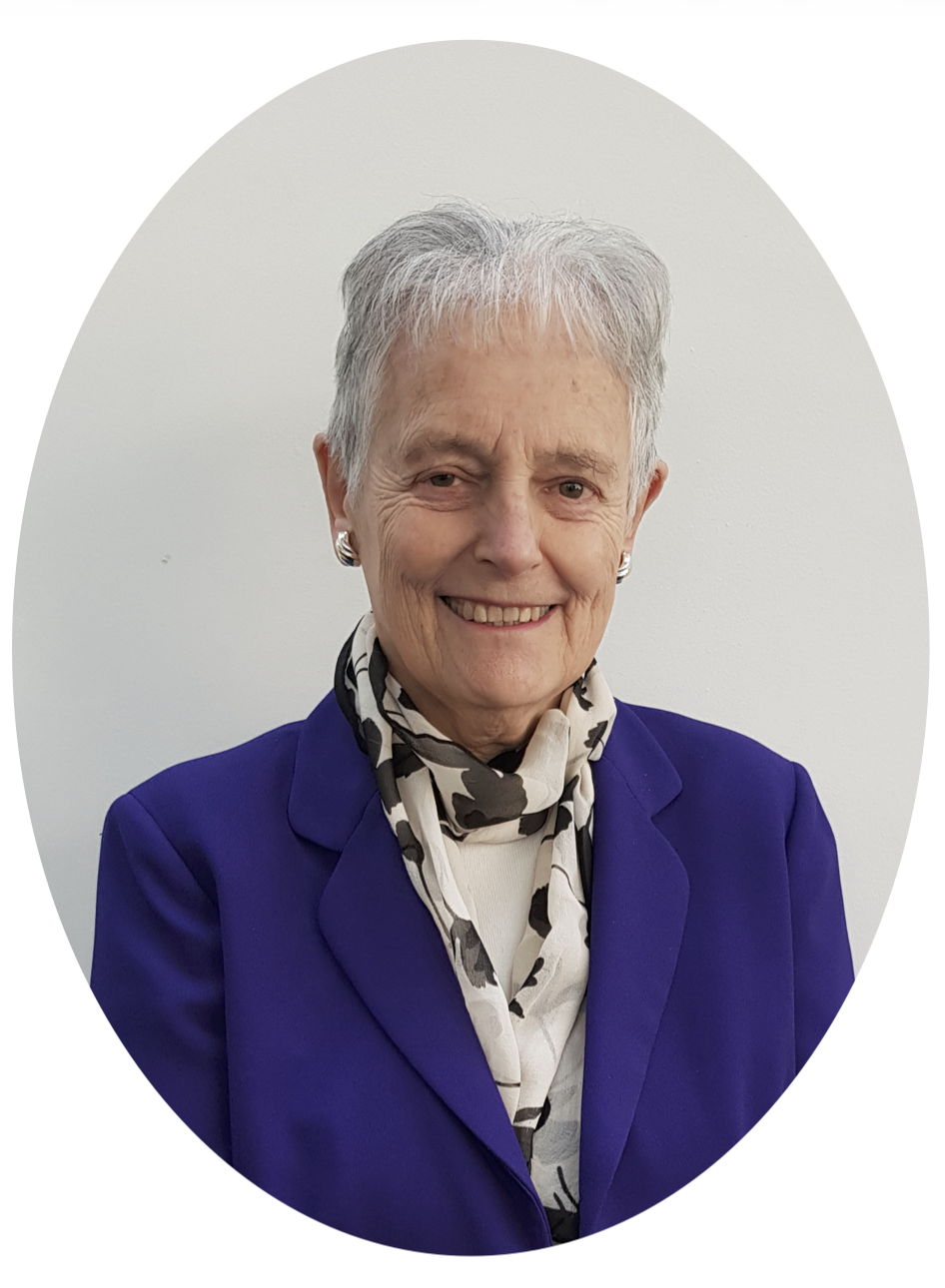
Priscilla Chadwick chaired the Dioceses Commission and the Church of England Report The Church School of the Future. A Woodard trustee and school governor, she is a published author with a particular interest in church schools and religious education. Priscilla is currently Chair of Whitelands College, the Anglican college of the University of Roehampton.