Is the Iran War actually a religious one?

Editorial by the Rev’d Dr. Nicholas Henderson
Editor: Anglicanism.org
The Trumpian concept of regime change is more or less evidenced as a reason for the recent and ongoing unleashing of a huge onslaught on Iran. This rapidly expanding confrontation, which has already resulted in hundreds, if not thousands, of extra deaths following the recent bloody Iranian suppression of demonstrations against the current regime, seems to be running out of control. Additionally, Israeli incursions into Lebanon have followed Iranian drone and missile attacks on at least ten neighbouring countries and there is no sign of a lessening of tensions. Apparently, also Iraqi Kurds are being encouraged to enter Iran to help undermine the regime.
Deeply enmeshed within these struggles are historic, deeply ingrained and largely incompatible religious affiliations. Muslim versus Jew, Muslim versus Muslim. This latter being the profound schism in Islam that first appeared very early in the history of the faith, namely the Sunni/Shia divide[i].
As things stand Iran is a Shia dominated country. In Iraq Shia Muslims are in a majority as also in Azerbaijan, Bahrain (with a Sunni monarchy). Other countries such as Lebanon, Yemen, Pakistan and Turkey have large Shia minorities. There are also other smaller communities such as Twelvers, Ismaili and Zaydi. In all Shia comprises about 10-15% of the Muslim world.
For a better understanding analogous of what might be the consequent tensions exacerbating the struggles within Islam; Christians might look to themselves and the often-violent divisions engendered in the 16th century Reformation, with lingering hostilities even to this day.
Into this heady mix recent reports of conservative Christian influence in the American forces and leadership are worrying. American troops have been told that the war on Iran is “all part of God’s divine plan”.[ii] This is, in turn reminiscent of Patriarch Kyrill’s of Moscow’s comments to Russian troops fighting in Ukraine that ‘Dying for your country you will be with God in his kingdom’.[iii]
Of course Christian and other faith leaders have been urging their soldiers in this fashion for centuries. Until now, few would describe Donald Trump as an active practising Christian. However, the same cannot be said of some of those around him.
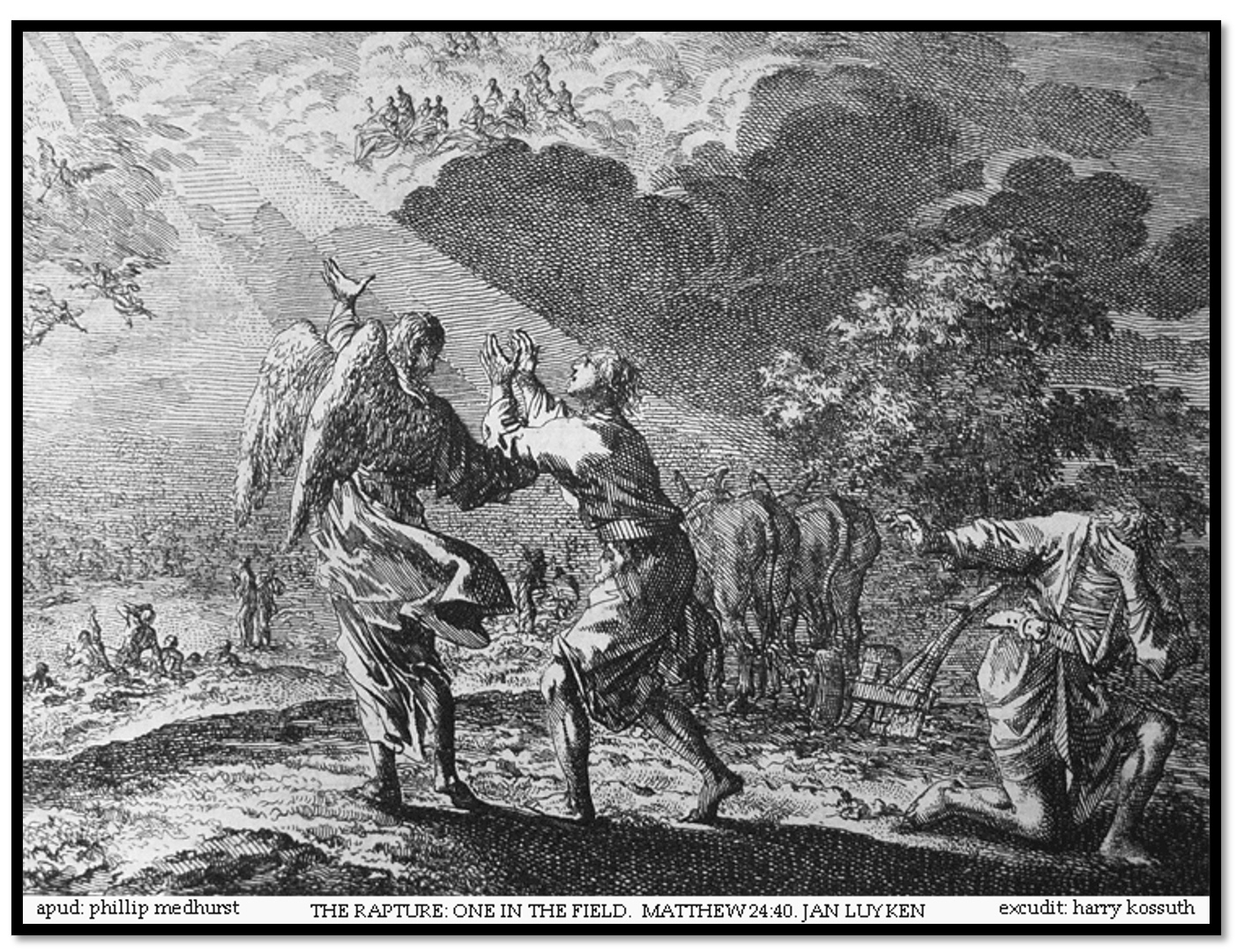
There is a distinctive strand in conservative Protestant denominations in particular, in the United States that embraces what has become known as Christian Zionism. Exported in the 17th century from English Puritanism, it holds that the Jewish people’s return to the Holy Land and the existence of Israel are fulfilments of prophecy, essential for the Second Coming of Jesus Christ.
One can sense where this is going and it could explain to a degree the American attitude towards the State of Israel and in turn towards those countries, like Iran, that call for its extinction. This is not official policy and exactly what is driving the current Trump narrative remains unclear.
What is indisputable comes in the religiously driven forces that know few if any rational constraints. These cannot be bombed into submission especially when martyrdom is considered as a virtue.
Ironically, might the God as portrayed in parts of the Old Testament give his blessing to what is going on in his name? God in this interpretation could find himself being hauled before the International Criminal Court (ICC) in the Hague, which holds ongoing investigations into war crimes, crimes against humanity, and genocide. Were this to be so then he’d actually be in a queue as active situations in countries including Sudan (Darfur), Ukraine, the Central African Republic, and Venezuela, are already being considered, at great length.
Shortly, during Holy Week we shall remember an innocent victim of religious zeal influencing the secular authorities. In this case it leads to death on a cross.
Alternative ways of killing innocent people with bomb, bullet and other sophisticated means are now unfolding in real time before our eyes and ears, as we move relentlessly towards what could indeed be a coming apocalypse centred in and around the Holy Land – wanted or not?
Nicholas Henderson
Lent 2026
[i] The Sunni–Shia divide began after the Prophet Muhammad’s death in 632 CE, when Muslims disagreed over who should lead the community: Sunnis supported a leader chosen by consensus, while Shia believed Muhammad had designated Ali, his cousin and son‑in‑law, as successor.
[ii] https://www.theguardian.com/world/2026/mar/03/us-israel-iran-war-christian-rhetoric?CMP=Share_iOSApp_Other
[iii] https://cne.news/article/1756-dying-for-your-country-brings-you-to-heaven-says-russian-patriarch